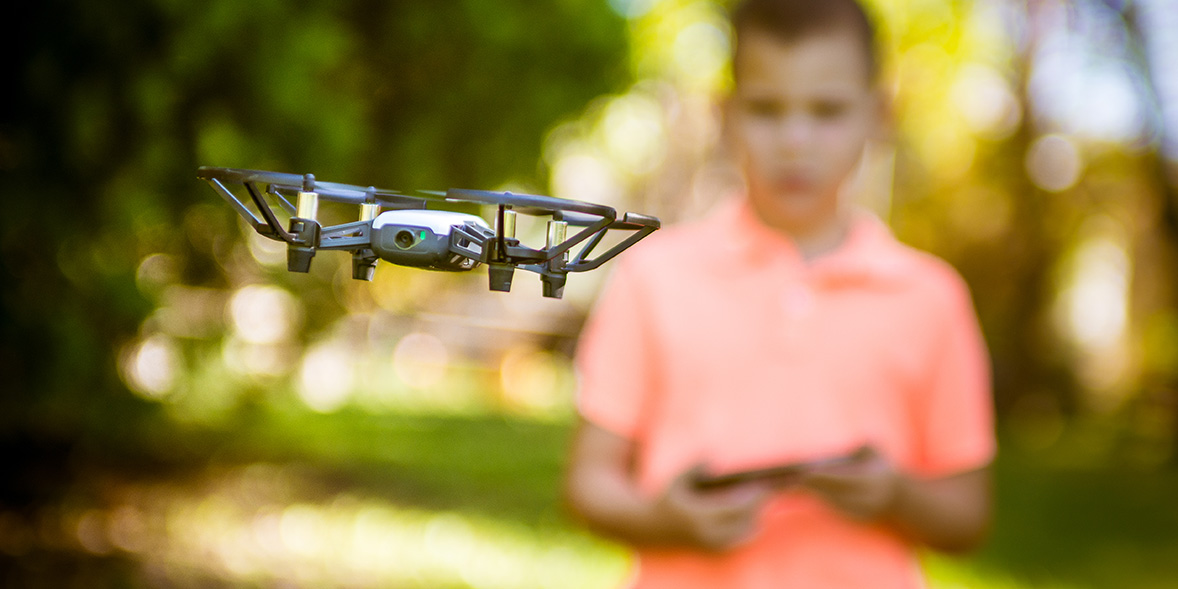
UAVs, or as many know and call them, “dronesâ€, have become immensely popular in the last couple of years, and it seems that, nowadays, everyone has them. This is mostly because the market is over-flooded with many cheap Chinese models. Of course, if you want a more sophisticated model that goes over 60mph, or has a 4K camera and does the flying on its own, you will have to cash out more.
Is there a solution that delivers all those great features but for less money? Yes, there is, and it’s called a DIY drone kit. Such a kit allows you to own a great drone model that you can customize to your preference and learn about the drone technology, physics, electronics, aerodynamics, and much more as your project advances.
Depending on which kit you select, you can just order a frame and purchase the rest of the parts individually, or you can choose a kit that contains almost all the parts, and usually, you just need to purchase a battery and a transmitter. Whichever type of kit you choose, you first need to select the right one for you.
Important Features to Pay Attention to When Choosing a Drone
Battery Life
Just like a smartphone, a drone will ultimately run out of juice, and flight times between charges work to surpass 30 minutes, even on the best models. You can always carry extra power, but if you think you might need to do so, ensure to include the cost of spare batteries in the total cost.
Brushless Motors
You may come across this word when perusing a listing. Brushless motors cost more than brushed ones, but in exchange, they deliver quieter operations and possess a longer lifespan, which means you won’t have to replace them as often.
Camera
Using the best drones with camera is the perfect solution for landscape photographers who want to take stunning aerial shots of any location. Most decent-size models—not including toy drones—are now available in a built-in camera, but some allow you to attach your own. If you want the high-quality footage possible, camera specs should be a significant consideration, so ensure to look for the photo and video resolution.
Headless Mode
Starting to fly a drone can be tricky, so some models offer headless mode for beginners. It means that when you push the controller stick one way, the drone will move in that direction close to you, rather than close to where the joystick is pointing.
Integrated GPS
Having an integrated GPS permits some drones to hover in place. At the premium end of the drone market, you’ll find models with integrated GPS, which allows the machines to know where they are in the world. An integrated GPS also enhances the drone’s general stability and navigational skills, allowing a lot of them, for instance, to easily hover in one place. This advancement helps your drone find its way back home with a feature aptly called RTH or return-to-home.
Follow-me Mode
This feature allows your drone to track you across the ocean or ground, so you can focus on your mountain biking or kite surfing while your aerial pal tags along, recording your progress. Specific drones do this better than others, so check in with user reviews to see how excellently the mode works in practice.
Range
A drone’s range suggests how far from you it can move before you lose control. More expensive, professional-level drones have good ranges, going beyond the outskirts of your backyard or living room. However, no matter how far your drone can wander, keep in mind that you need always to have an eye on your drone to avoid damaging property, animals, or even people.